Loudoun’s Apple Pudding

Loudon's apple puddingJohn Campbell Loudoun’s apple pudding recipe first caught my eye because it was written in verse. A rarity today, rhyming recipes were common in the 19th and early 20th centuries, when they were supposedly used by housewives to help them remember recipes. Loudoun’s poem, attributed to him by Kristie Lynn and Robert Pelton, authors of The Early American Cookbook, is much older, dating back to the 18th century:

If you would have a good pudding, observe what you’re taught: —
Take two pennyworth (six) of eggs, when twelve for the groat (fourpence):
And of the same fruit that Eve had once chosen,
Well pared and well chopped, at least half-a-dozen;
Six ounces of bread, let your maid eat the crust,
The crumbs must be grated as small as the dust;
Six ounces of currants from the stones you must sort,
Lest they brake out your teeth, and spoil all your sport;
Five ounces of sugar won’t make it too sweet;
Some salt and some nutmeg will make it compleat,
Three hours let it boyle, without hurry or flutter,
And then serve it up without sugar or butter.

Continue reading

Joe Froggers

Joe FroggersBack in college, I had a roommate who was a great baker, and one of her specialties was Joe Froggers. I didn’t realize at the time that these wonderfully soft, thick gingerbread-like cookies had a colonial origin, and a good story behind them. They are named for Joseph Brown, or “Black Joe,” a freed slave whose mother was black and whose father was Native American. Black Joe fought in the Revolutionary War and in the 1790s opened a tavern in Marblehead, Massachusetts, north of Boston, where he had lived before the war. Continue reading

Mulled Wine

mulled wineThis post was originally going to be about posset, an 18th-century tonic made with alcohol, hot spiced milk, and eggs. It sounded like therapeutic eggnog, just the thing for those of us already worn down by the holidays — and the cold weather in New York right now.

Well, I made two posset recipes, and neither turned out too well. I won’t go into the gory details about that (curdling and so on), but fortunately, while researching possets, I came across a recipe for mulled wine made with eggs.  I was intrigued and decided to give it a try, and I’m so glad I did! Continue reading

Apple Pandowdy

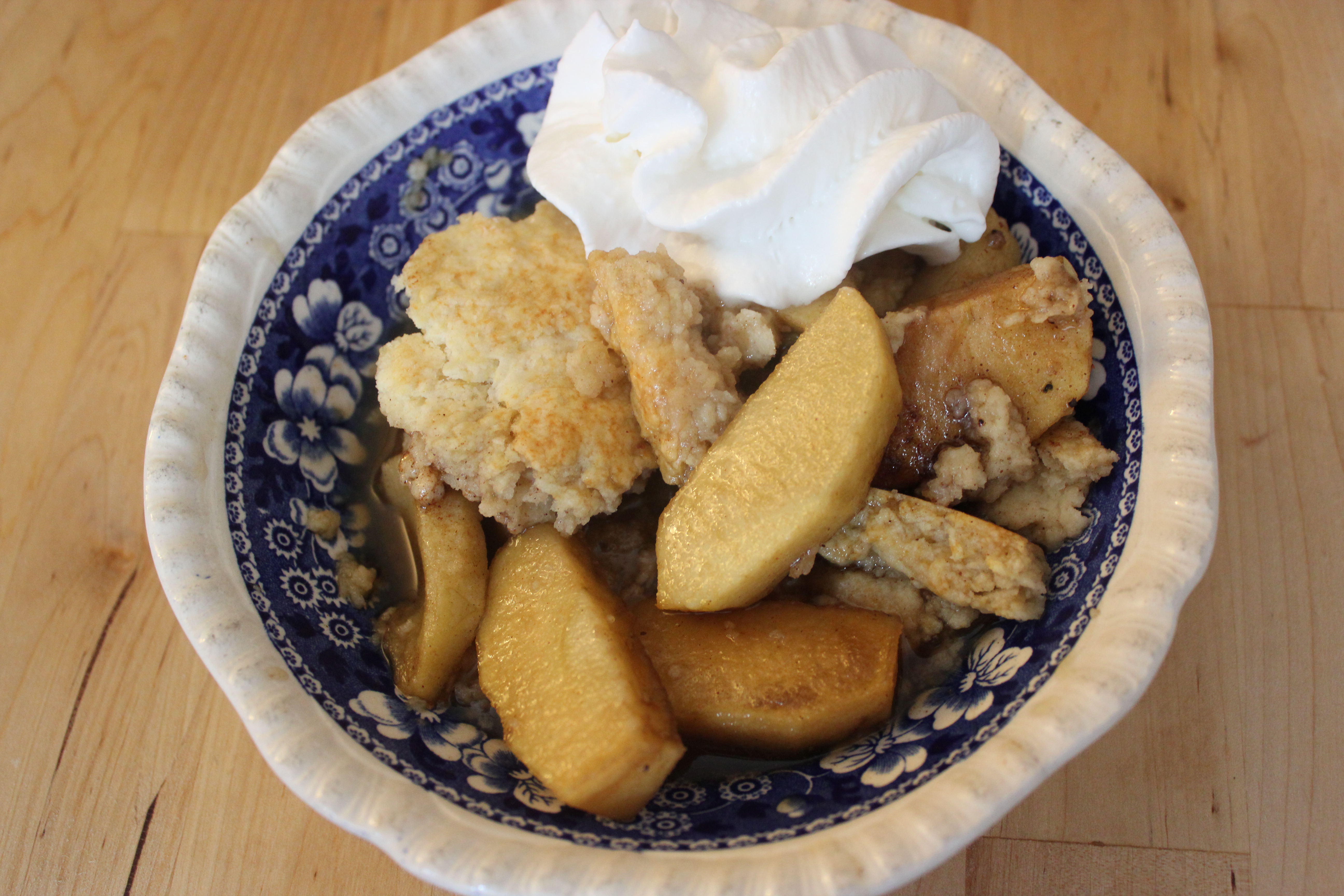
apple pandowdy

Shoo-Fly Pie and Apple Pan Dowdy
Makes your eyes light up
Your tummy say “Howdy.”
Shoo-Fly Pie and Apple Pan Dowdy
I never get enough of that wonderful stuff…

My husband and I have been unable to stop singing this ditty ever since I made apple pandowdy recently. The song by Guy Wood, with lyrics by Sammy Gallop, is from the 1940s. (Here’s Dinah Shore’s recording.) Pandowdy, however, dates back to colonial times. It is a sort of pie made with sliced fruit — usually apples — sweetened with sugar or molasses, then topped with a rolled biscuit dough, or according to some old recipes, a pastry dough. Continue reading

Macaroni and Cheese

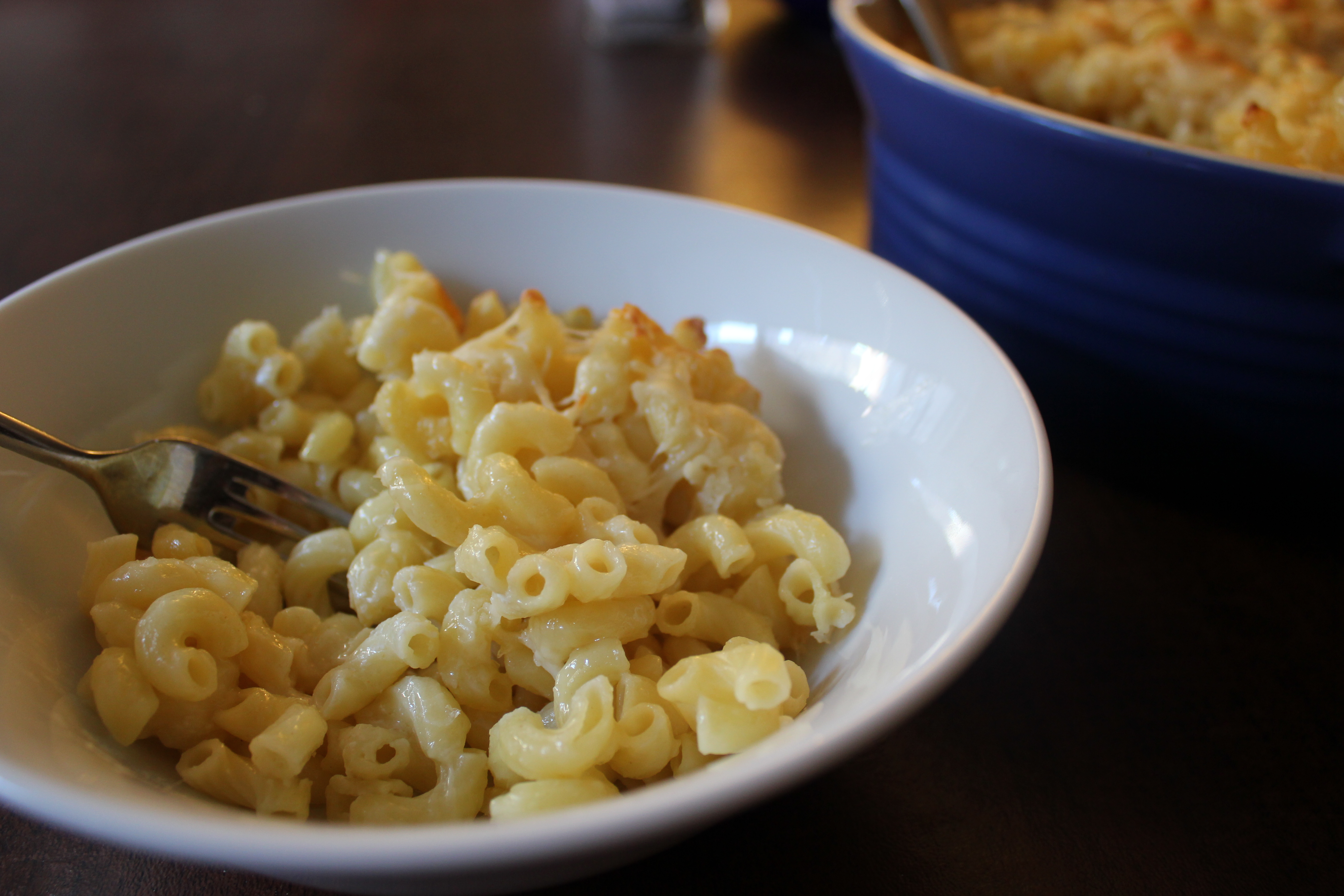
mac and cheese, Jefferson styleAs my daughter scarfed down yet another meal of mac and cheese the other day, I told her that she had Thomas Jefferson at least partly to thank for that dish, although I can’t imagine what he would have made of our modern-day macaroni boxes with powdered cheese packets.

Jefferson fell for pasta in a big way when he lived in France and traveled through Europe in the 1780s. He took notes on “maccaroni” (then a generic term for pasta) while in Italy, and drew a diagram for a pasta machine. He also brought home a recipe for hand-made noodles (to be used in vermicelli soup) and had a pasta press shipped home — which, like most of us, he didn’t really use. Continue reading

Eliza Leslie’s Indian Pound Cake

Indian pound cake

I wanted to make Eliza Leslie’s Indian pound cake partly because it sounded so good — the ingredients include cornmeal, eggs, butter, cinnamon, nutmeg, and brandy — but also because its creator seemed so interesting.

Born in 1787, Leslie was one of five children of a Philadelphia watchmaker. Her father, who was friends with Benjamin Franklin and Thomas Jefferson, died heavily in debt when she was sixteen, and she and her mother ran a boardinghouse to support their family. According to culinary archivist Jan Longone, Leslie set out to become a writer of novels and stories but wrote a cookbook, Seventy-five Receipts for Pastry, Cakes and Sweetmeats (1828), because her friends kept asking her for recipes. (She had been a pupil at Mrs. Goodfellow’s cooking school in Philadelphia.)  Continue reading

Green Corn Pudding

green corn pudding

I couldn’t let August go by without writing about corn, a mainstay of the 18th-century Americans’ diet. I’ve posted several cornmeal-based recipes, but wanted to try one with fresh corn — especially the mysterious “green corn” I kept seeing in old recipes.

It turns out that “green corn” just refers to young ears of sweet corn, and also to varieties developed to ripen in early summer. This corn was often roasted by Native Americans and North American colonists, or used in stews. The forerunner of corn pudding was Native American succotash, corn stewed with vegetables like beans. But as Betty Fussell writes in The Story of Corn, whereas Native Americans sometimes added “hickory cream,” made from ground nuts, to thicken their corn stew, the settlers used cow’s milk, and often mixed in a little butter. Continue reading

Fruit Shrubs

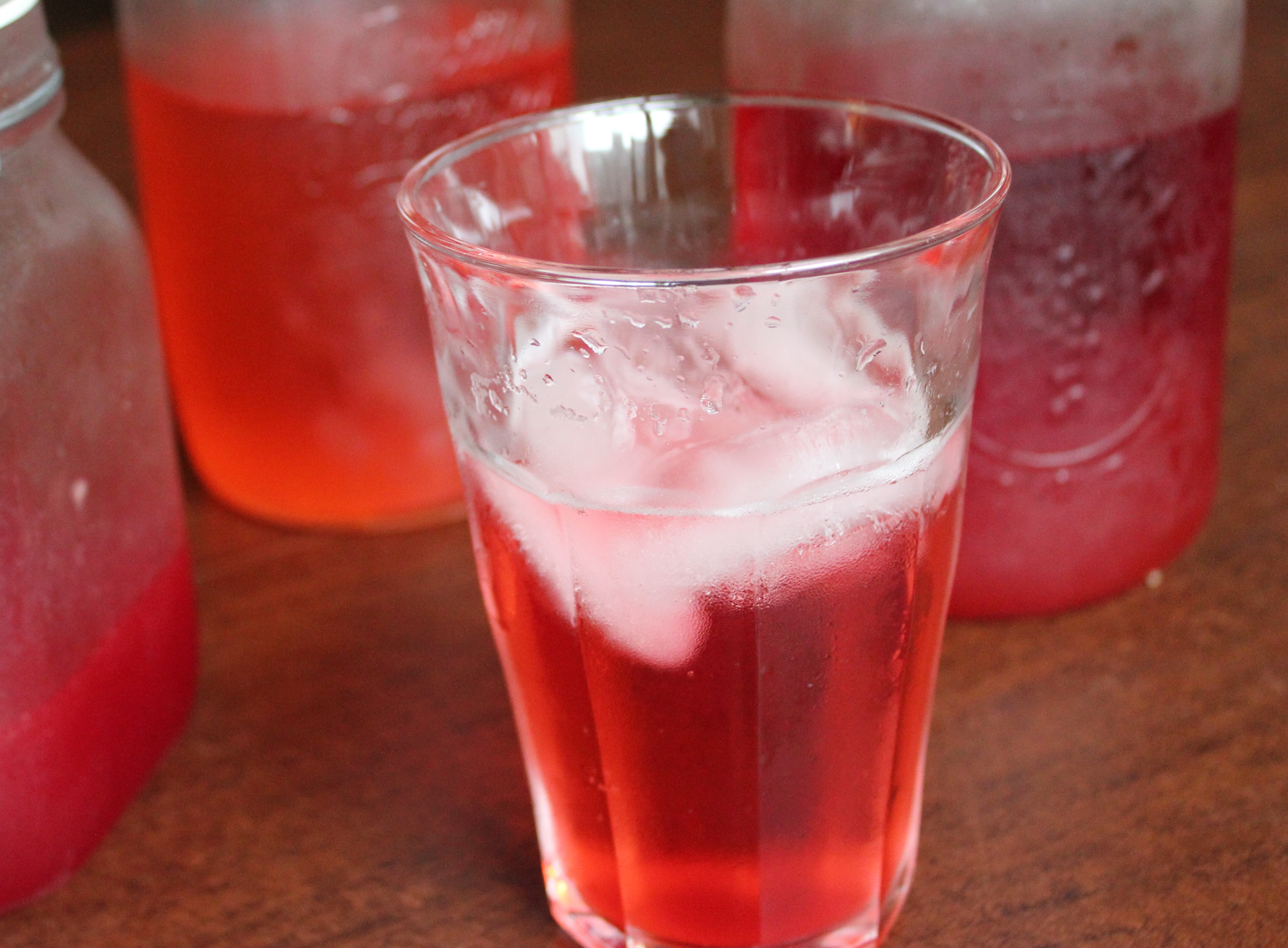
shrub with seltzer

I apologize to my readers for being away from the blog universe for a few weeks. I was in Orlando, Florida, having a decidedly non-colonial experience with my family at the Harry Potter theme park. I was also letting my shrubs age and mellow.

Shrubs, also known as “drinking vinegars,” are syrups made from fruit (usually berries), vinegar, and sugar, which are then combined with water, wine, or spirits to make a refreshing, tart summer drink. An easy way to preserve fruits in the days before refrigeration, shrubs date back to 17th century England and were popular thirst-quenchers in colonial America. Continue reading