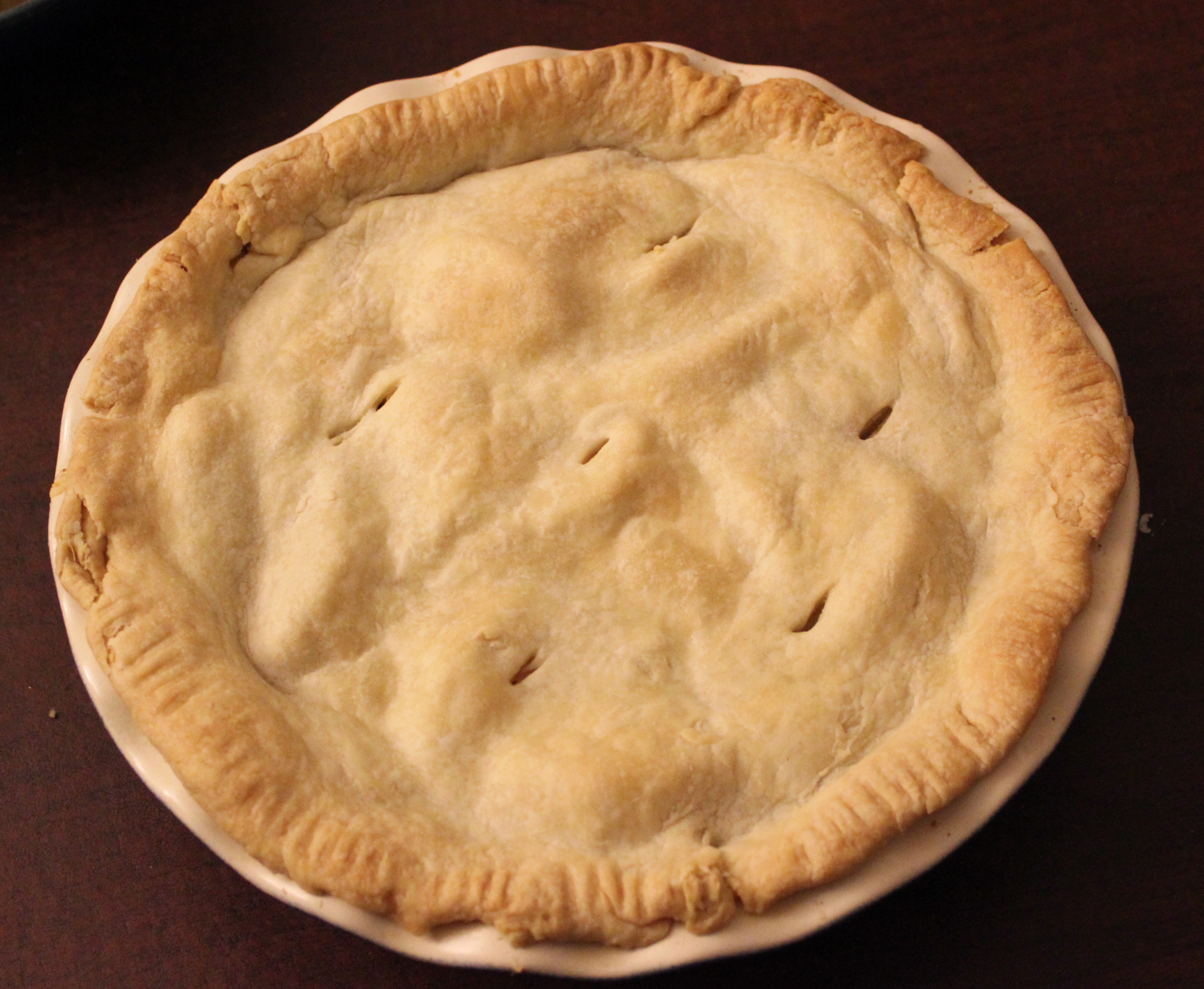
I recently made a Cheshire pork pie from History is Served, a collection of recipes on Colonial Williamsburg’s history website. These recipes are by the staff of the Department of Historic Foodways, who re-create colonial food in demonstration kitchens at Williamsburg. This pie, which originated in Cheshire county in northwest England, is similar to what was made centuries ago, but in the updated recipe the pork is cooked ahead of time so that the pie safer to eat. Continue reading
Author Archives: revolutionarypie
Indian Pudding
Quote
Indian pudding is not a photogenic dish, but if you like pudding, you’ll probably love it. Native Americans did not make this, but they taught European settlers how to use cornmeal, a main ingredient in the pudding, along with milk and molasses. It is basically a variation on English hasty pudding using cornmeal instead of wheat flour, which was scarce in the colonies. The dish evolved over time to include spices, butter, eggs, and sometimes raisins. It is traditionally baked for hours at a low temperature. Continue reading
Sweet Potato Biscuits
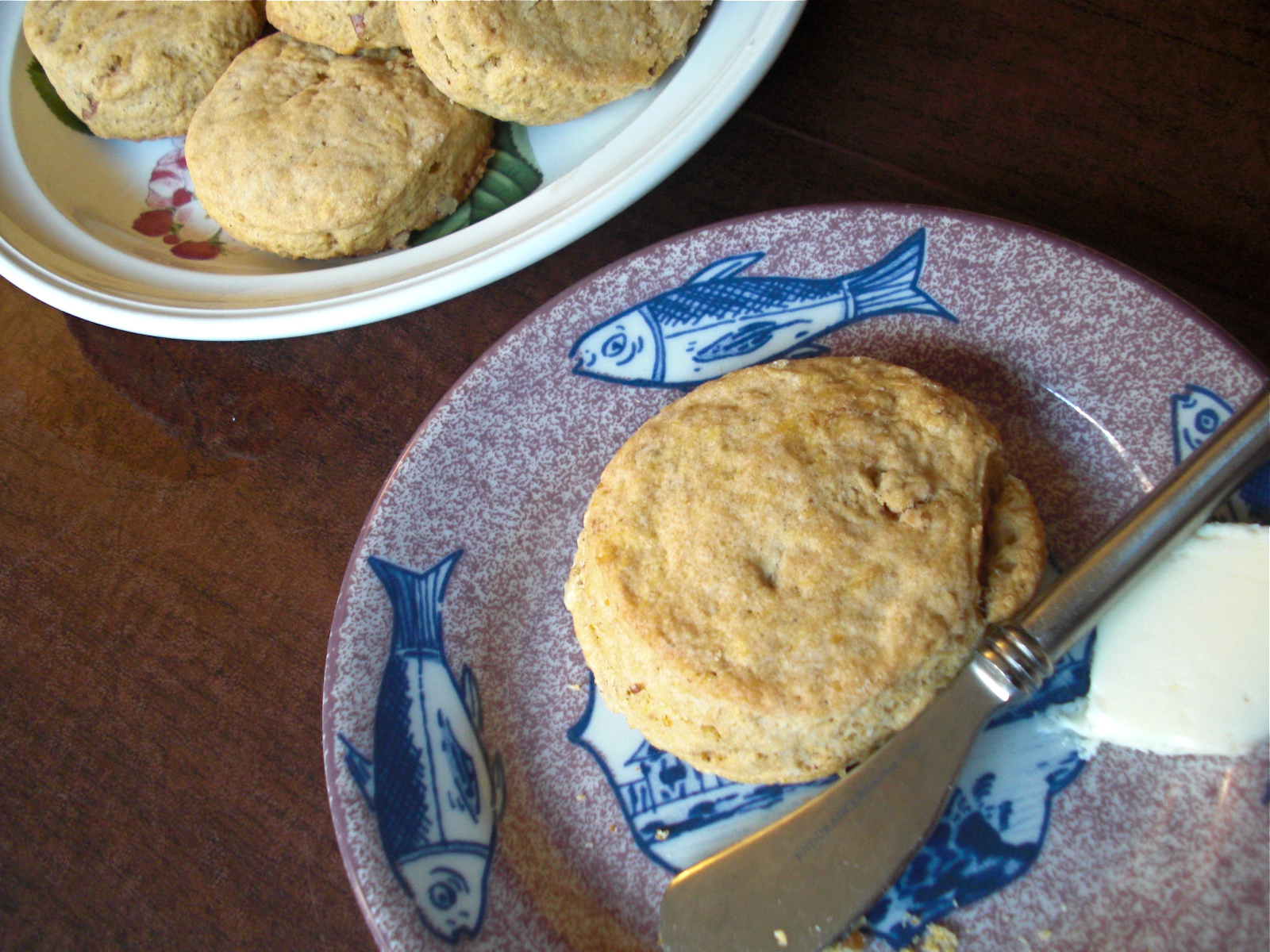
If Thomas Jefferson were alive today, he might have his own cooking and gardening show on cable, or at least a blog. He was passionate about food and grew hundreds of varieties of fruits and vegetables in his gardens at Monticello. Jefferson also wrote many recipes himself, including one for sweet potato biscuits. Continue reading
Fried Trout
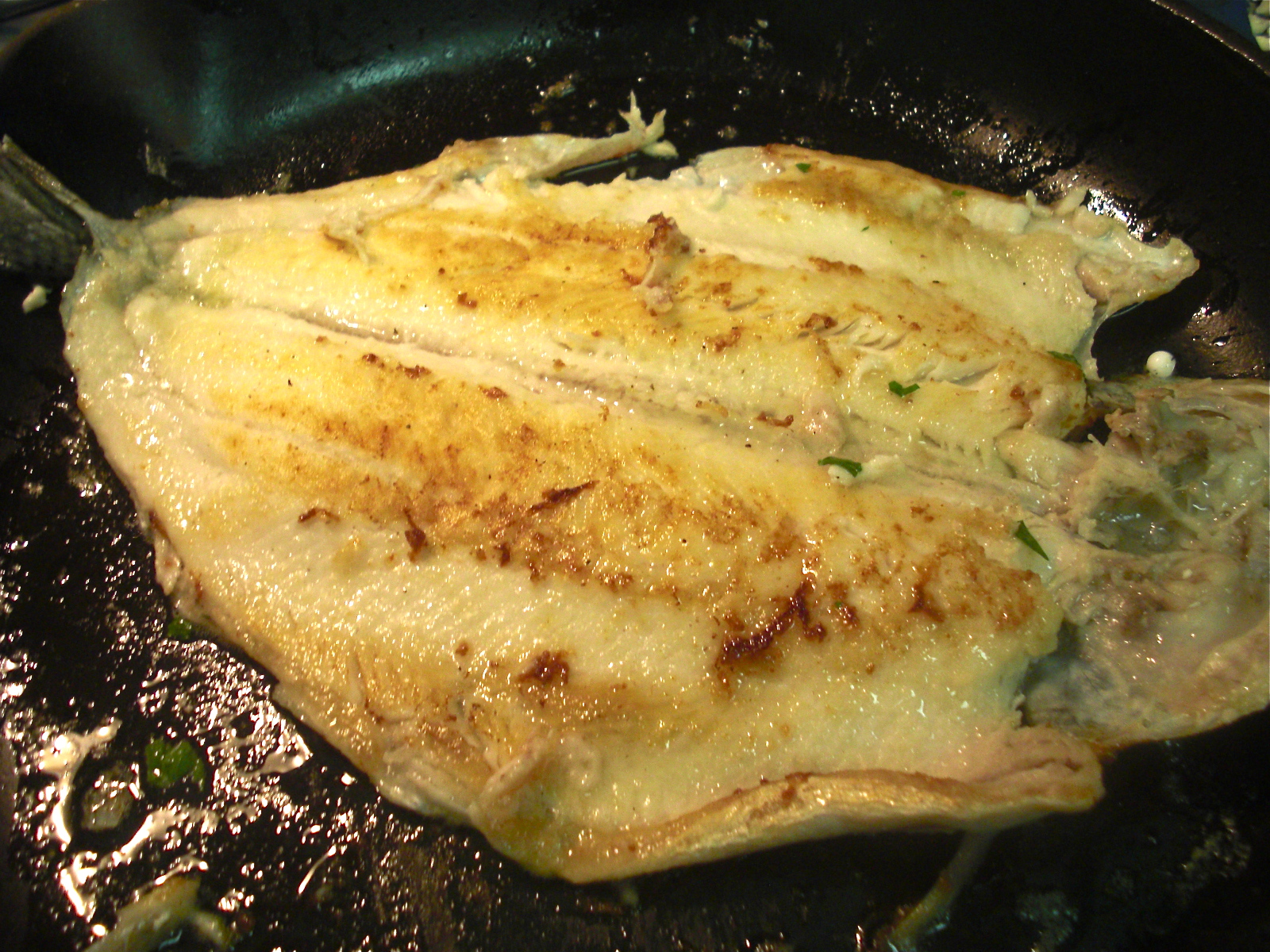
My brothers and I used to fish for trout when we visited our grandparents in the Poconos, in Pennsylvania. If my siblings read this, they’ll insist that they were fishing and I was merely watching. It’s true that after a few years I started feeling sorry for the fish and didn’t want to catch them anymore. (This didn’t stop me from eating them.)
Trout frying hasn’t changed a huge amount since colonial times. Here’s a 1753 recipe from The Ladies’ Companion, reprinted in The Williamsburg Art of Cookery:
“You must, with a Knife, gently scrape off all the Slime from your Fish, wash them in Salt and Water, gut them, and wipe them very clean with a Linnen Cloth; that done, strew Flour over them, and fry them in sweet Butter, till they are brown and crisp; then take them out of the Frying-pan, and lay them on a Pewter Dish, well-heated before the Fire…. Continue reading
Apple Dumplings
Amelia Simmons, America’s first cookbook author, was passionate about apples. Here’s what she wrote in American Cookery (1796):
“Apples…are highly useful in families, and ought to be universally cultivated, excepting in the compactest cities. There is not a single family but might set a tree in some otherwise useless spot, which might serve the twofold use of shade and fruit; on which 12 or 14 kinds of fruit trees might easily be engrafted, and essentially preserve the orchard from the intrusions of boys, &c. which is too common in America.”
Living as I do in one of the “compactest cities,” I have no spot for an apple tree. But I do live a block from a farmers’ market with a huge variety of apples. I bought some Golden Delicious the other day and decided to make apple dumplings, a dish that was popular in Simmons’s time. Continue reading
Shrewsbury Cakes
Shrewsbury cakes are actually cookies, which were called cakes or biscuits in colonial times — and still are in England. The word cookie comes from the Dutch settlers’ word koekje, or “little cake,” which was Anglicized to “cooky” and then “cookie.” (I think they should have stopped at “cooky”.) Continue reading
Chicken Pot Pie
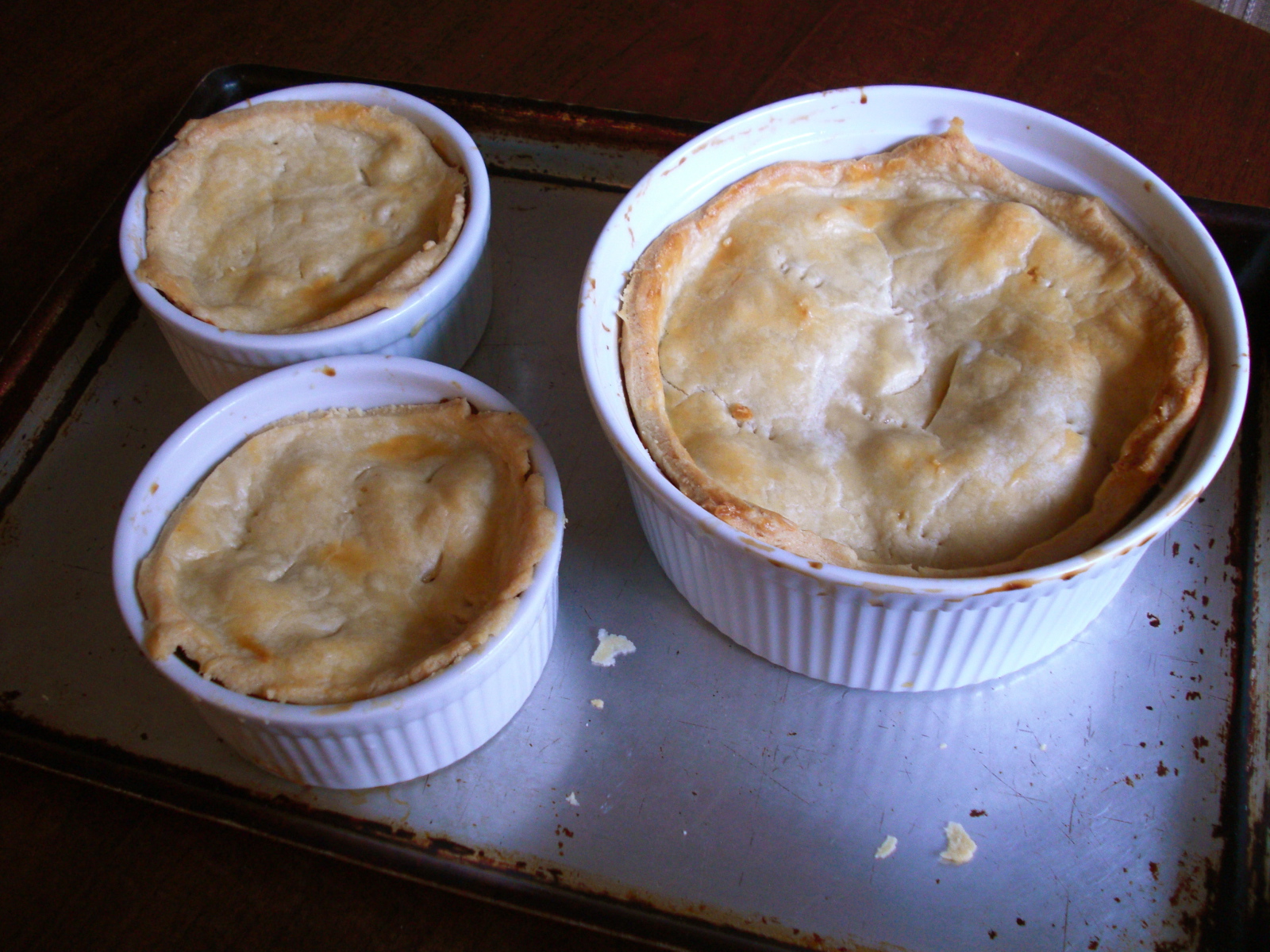
I don’t know what’s scarier about this pie from Amelia Simmons (American Cookery, 1796), the butter content or the fact that it’s baked with whole chickens inside:
“Pick and clean six chickens, (without scalding) take out their inwards and wash the birds while whole, then joint the birds, salt and pepper the pieces and inwards. Roll one inch thick paste … and cover a deep dish … put thereto a layer of chickens and a layer of thin slices of butter, till the chickens and one and a half pound butter are expended, which cover with a thick paste; bake one and a half hour.”
Chickens were smaller in colonial times, in case you were wondering how Simmons fit six chickens in one pie (I’m guessing it was also a very big pie). Continue reading
Syllabub
I had never heard of syllabub before visiting Colonial Williamsburg. It’s still occasionally served in the South but was extremely popular in colonial times, made either as a beverage or in a thicker form (with a higher proportion of cream) as a dessert.
Syllabub used to be made by adding fresh warm milk to sweetened cider, wine, or ale, which caused a froth to form on top. Some versions also contained egg whites. I just wish I could replicate the very dramatic recipe for “a fine Syllabub from the Cow” by Amelia Simmons, from American Cookery (1796):
“Sweeten a quart of cyder with double refined sugar, grate nutmeg into it, then milk your cow into your liquor, when you have thus added what quantity of milk you think proper, pour half a pint or more, in proportion to the quantity of syllabub you make, of the sweetest cream you can get all over it.”
Lacking a cow in midtown Manhattan, I followed a more modern recipe from Shields Tavern in Williamsburg, Virginia. Continue reading